


Explore the contents
Expand the odds table to see every item, its chance and average price.
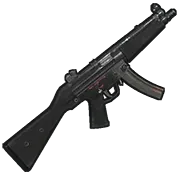
A virtual case Skinory builds from every MP5A4 skin — not a case you can open in Rust. Fair odds, real prices; nothing is charged or awarded.
Space or Enter opens
Open the case to see the history of every drop here
The simulator sells and buys nothing. Prices are the best current market offers, and items without a reliable market price count as zero. Odds are fixed and never depend on earlier results.
Expand the odds table to see every item, its chance and average price.
Switch between Fair odds and the other RTP modes to see how the chances of expensive and inexpensive drops change.
Run ×10 or ×50 and compare spending, drop value and session RTP. A short series can differ substantially from the model’s expected return.
The virtual MP5A4 case holds all 81 skins of the item that have a market price. One case costs $1.10, the average value of a drop at fair odds, so in fair mode 100 of every 100 spent comes back on average.
No. Rust has no paid cases or keys: skins come from the Item Store, Twitch Drops and the Steam Market, and the game’s two bags, crate and barrel are crafted from Cloth, Wood and Metal, with odds Facepunch doesn’t publish. Skinory builds one virtual case per item so you can see how case odds and prices work — nothing is charged or awarded.
A skin that costs twice as much drops half as often, so every skin adds the same share to the average value and the case price equals that average. The site-like, lucky and custom modes tilt the odds to a different return.